Magnetic Separator
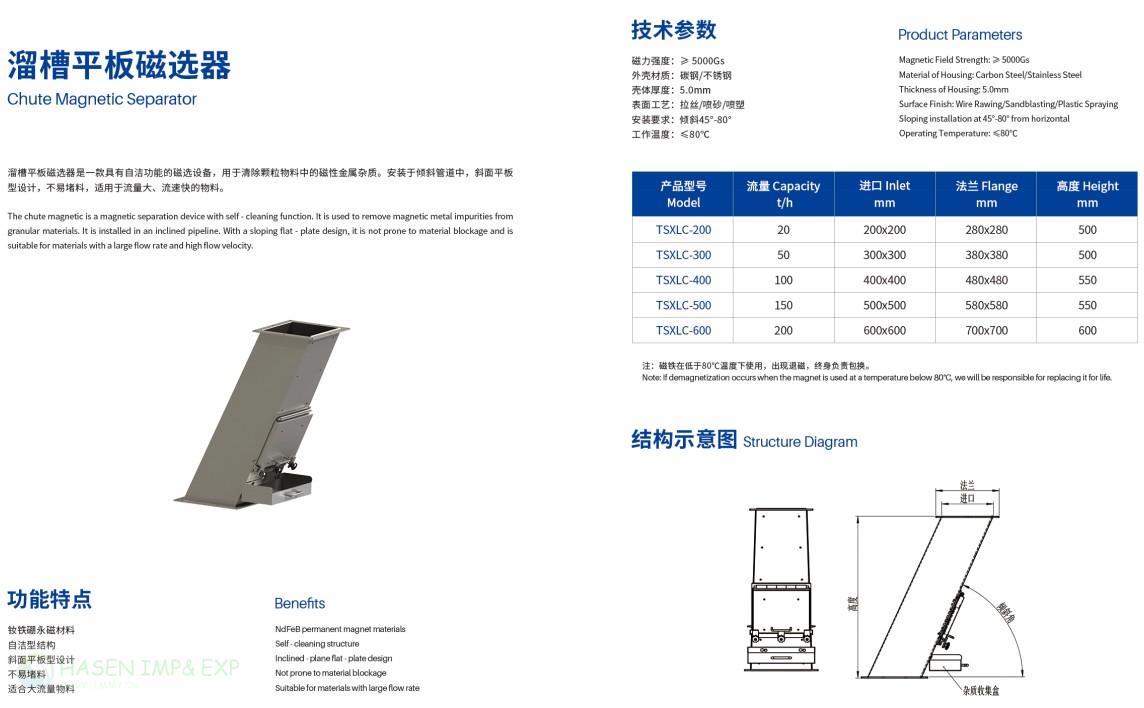
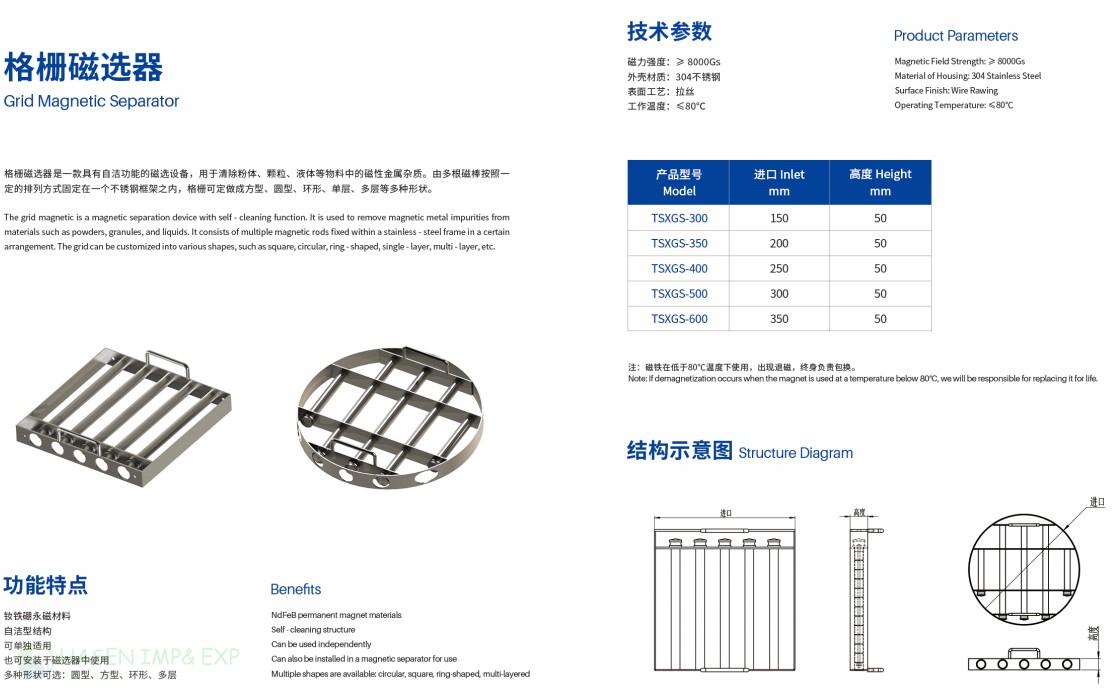
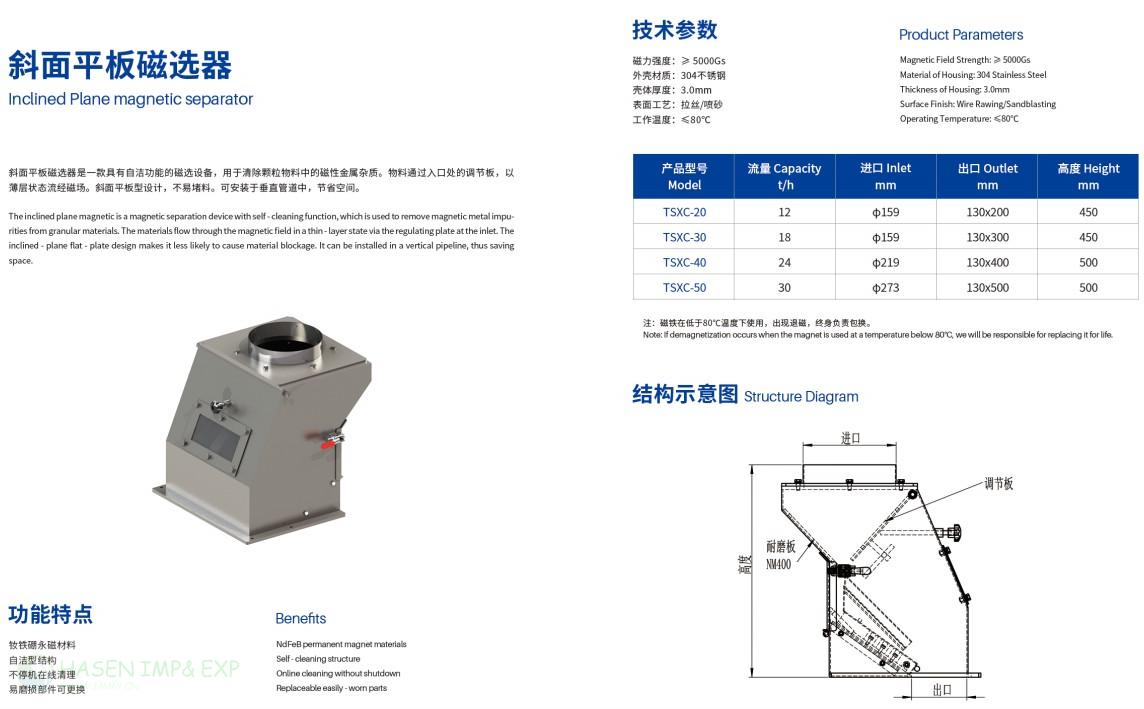
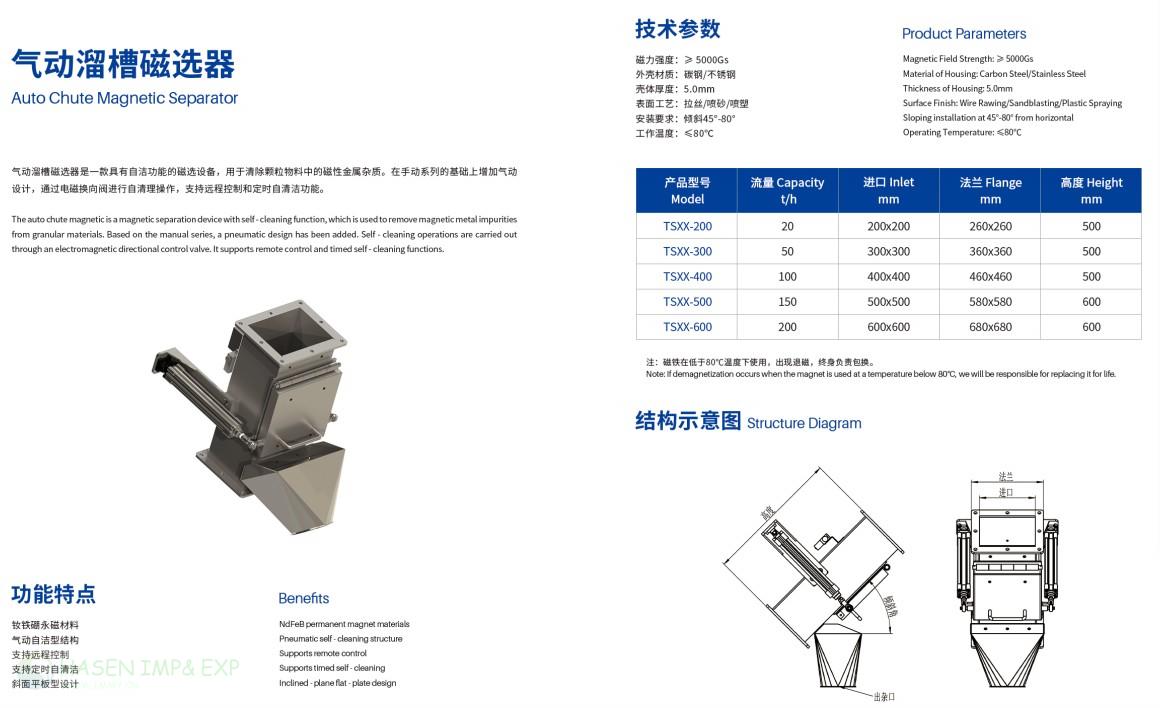
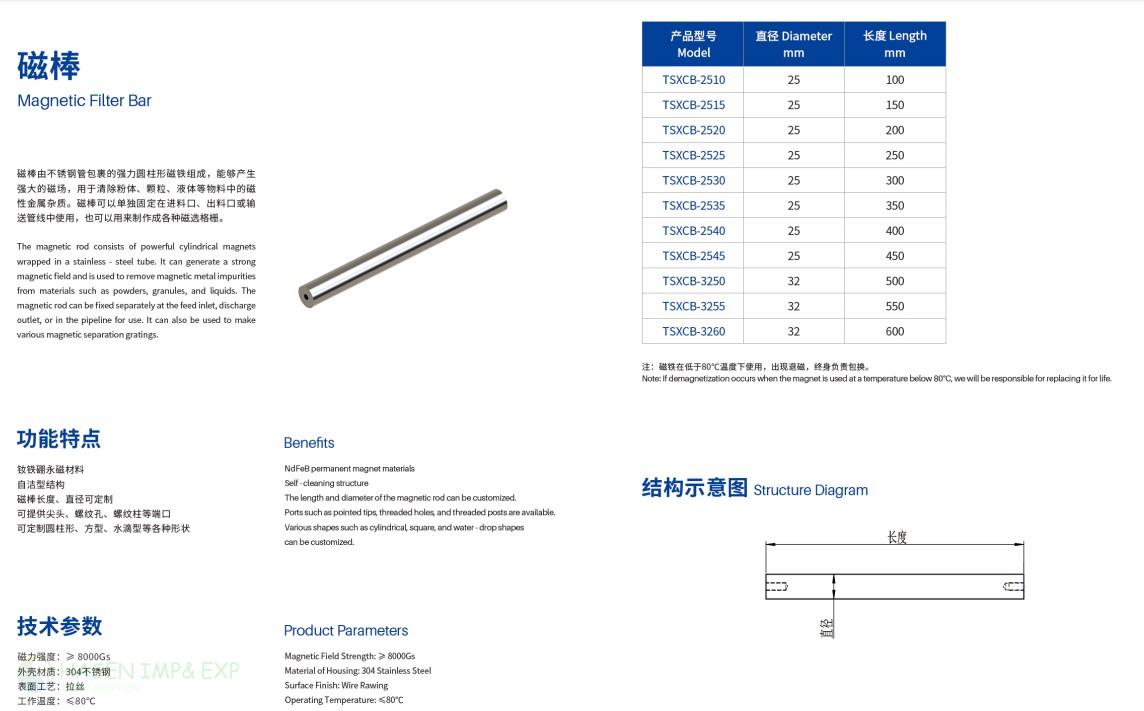
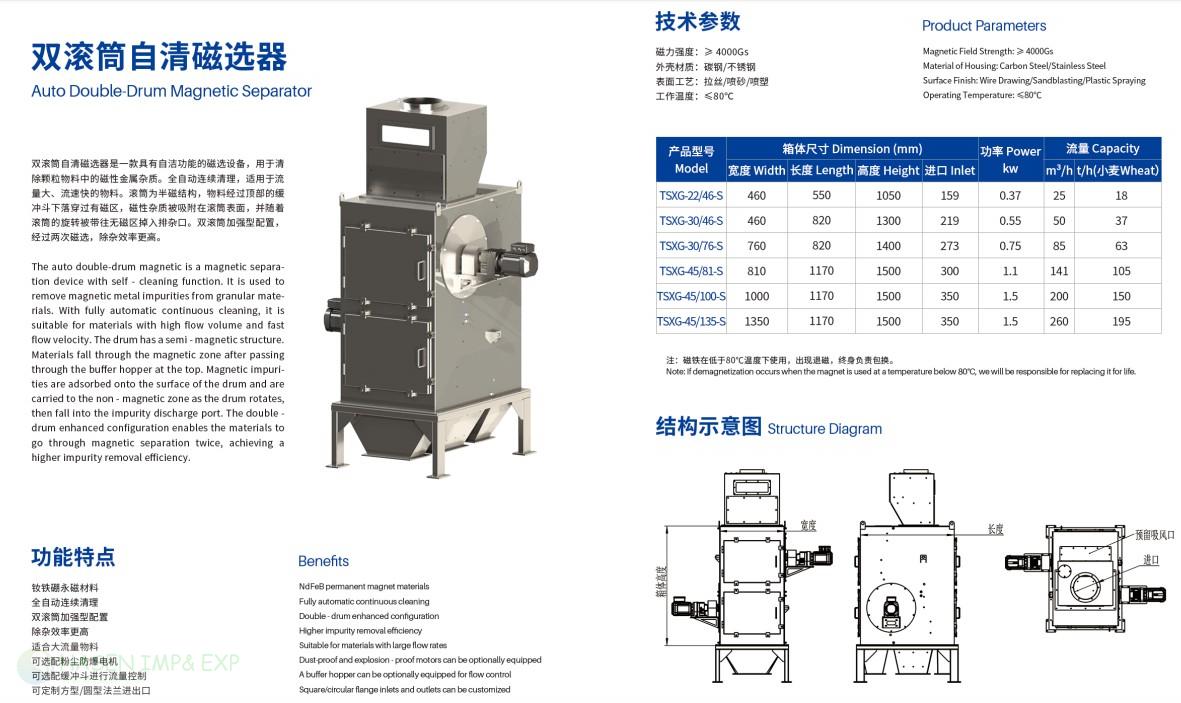
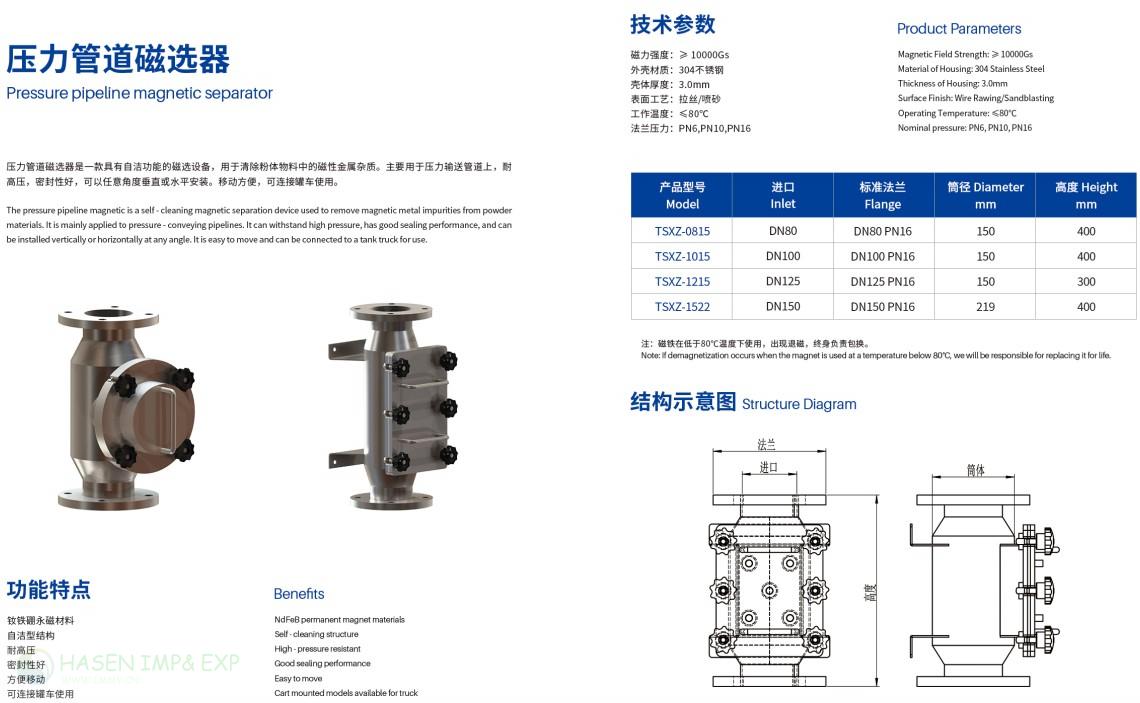
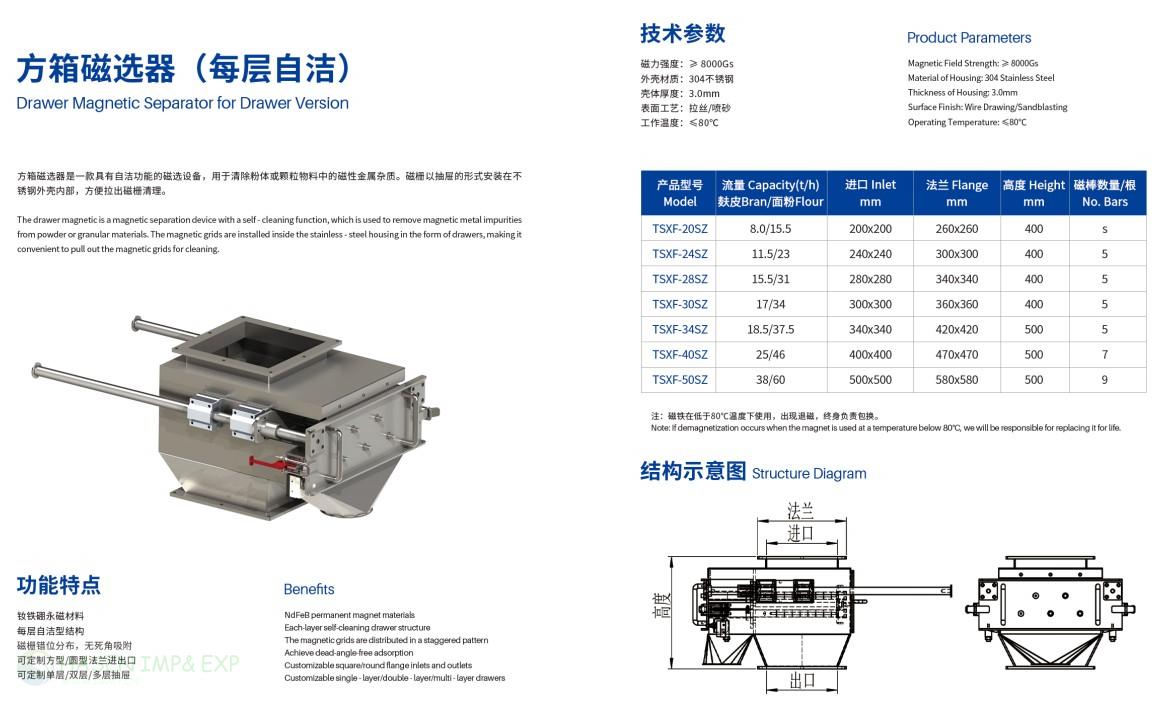
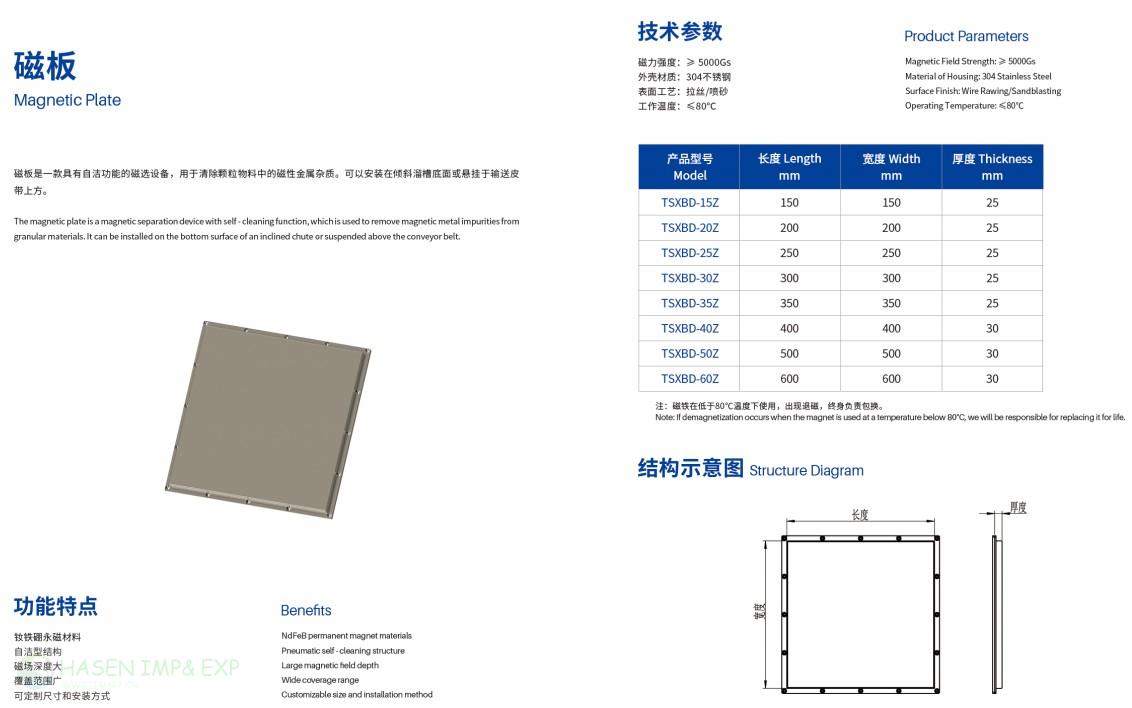
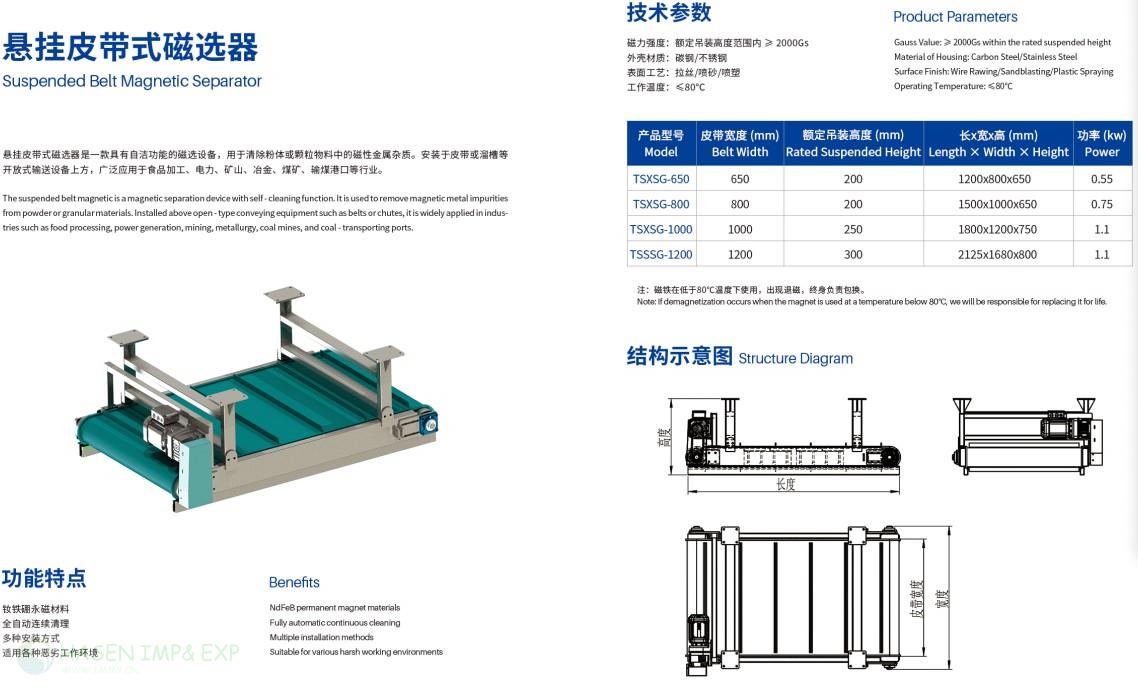
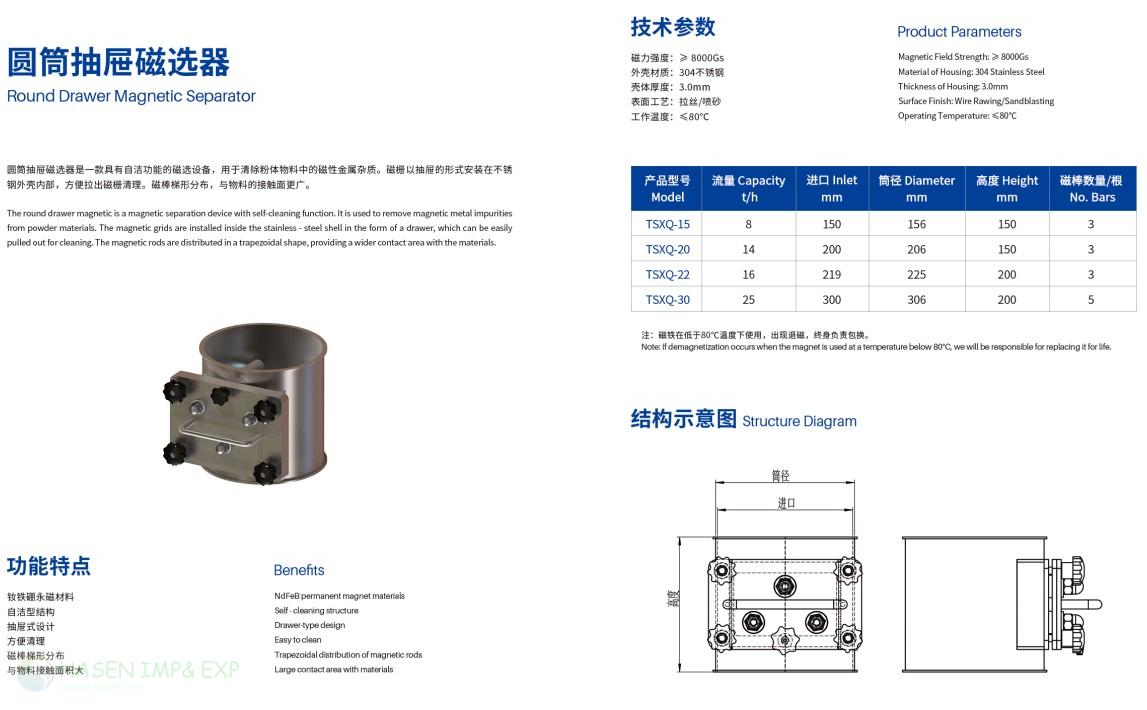
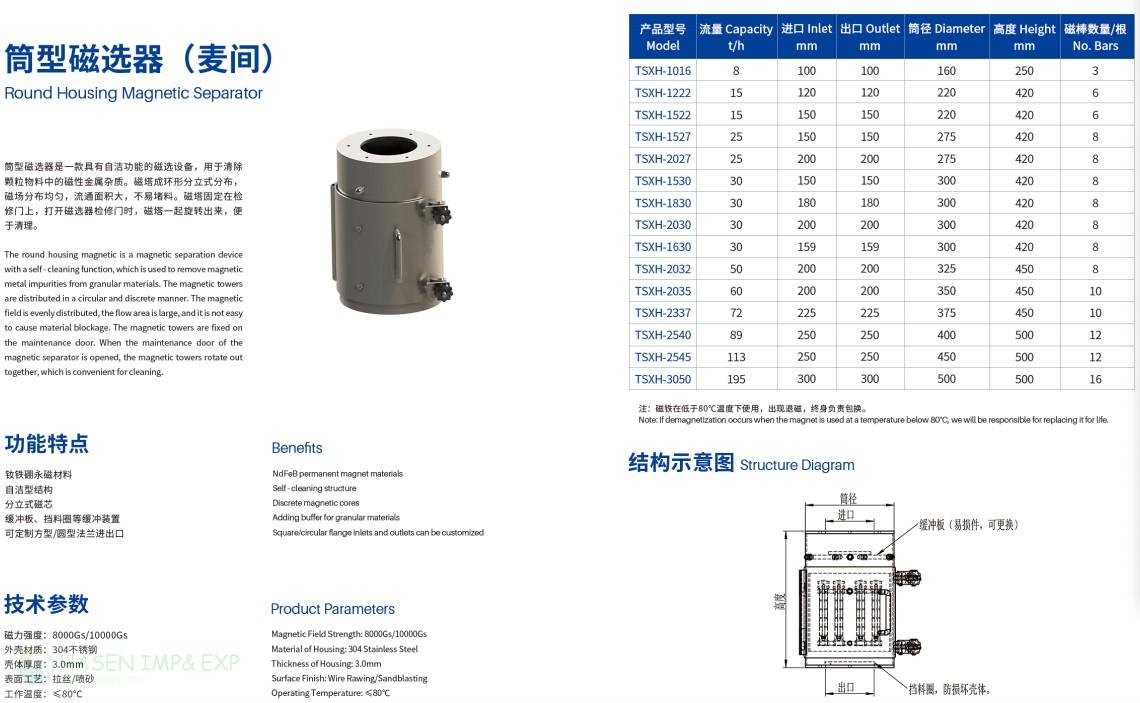
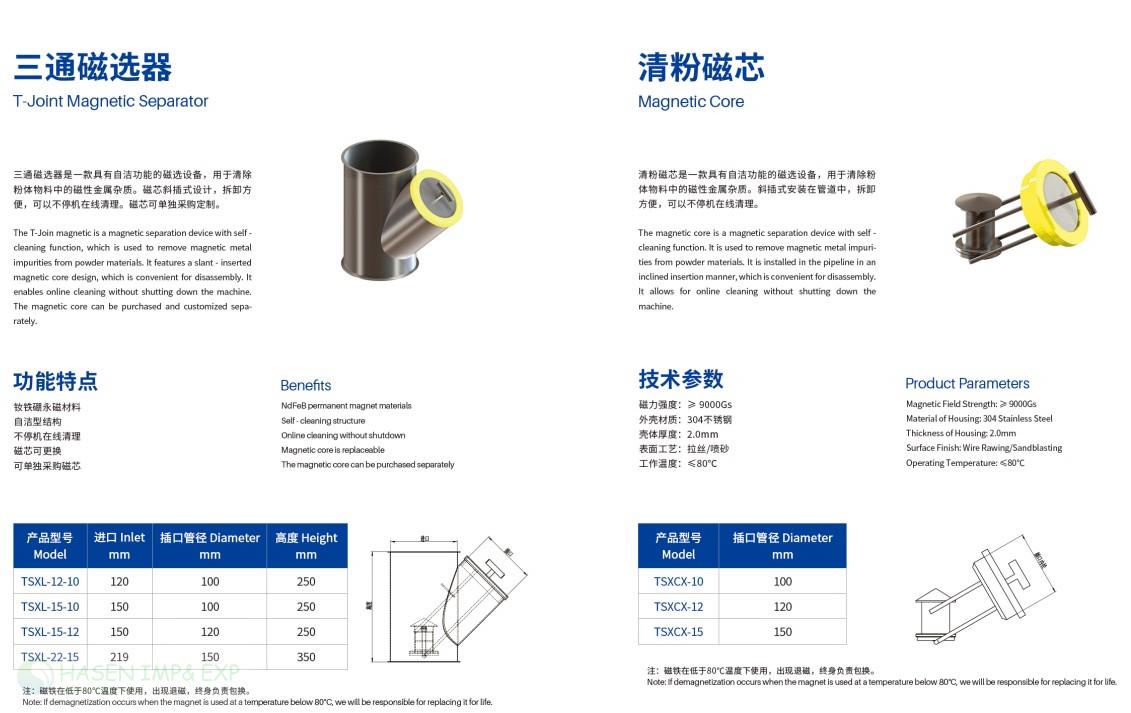
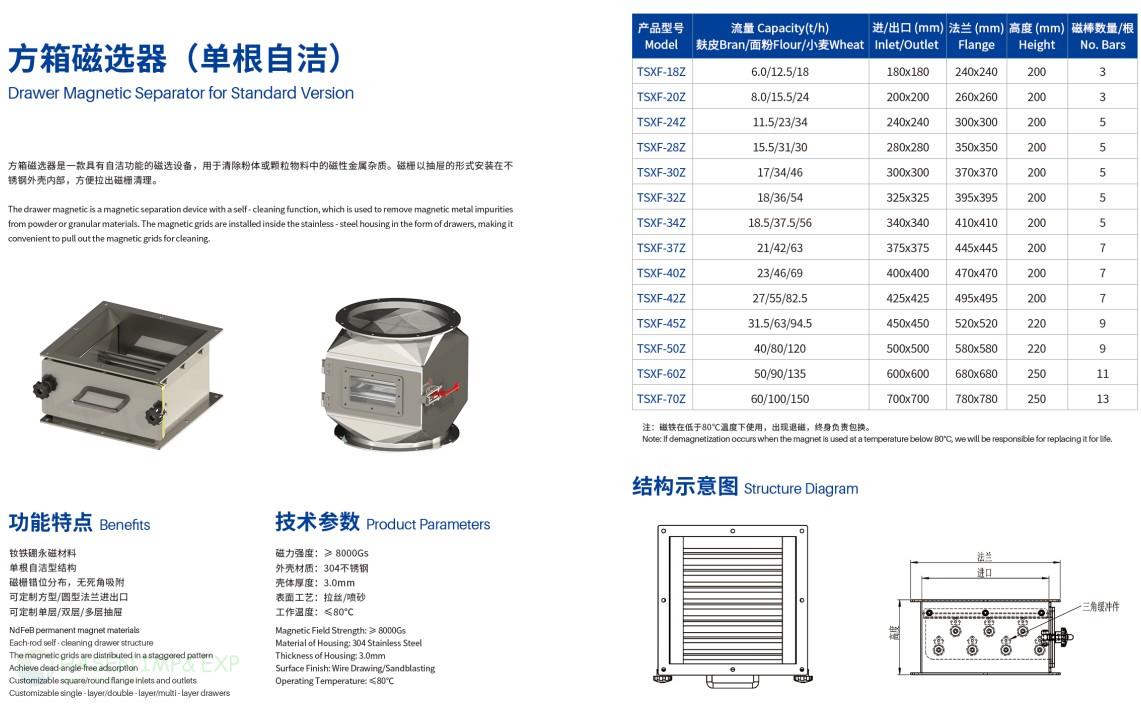
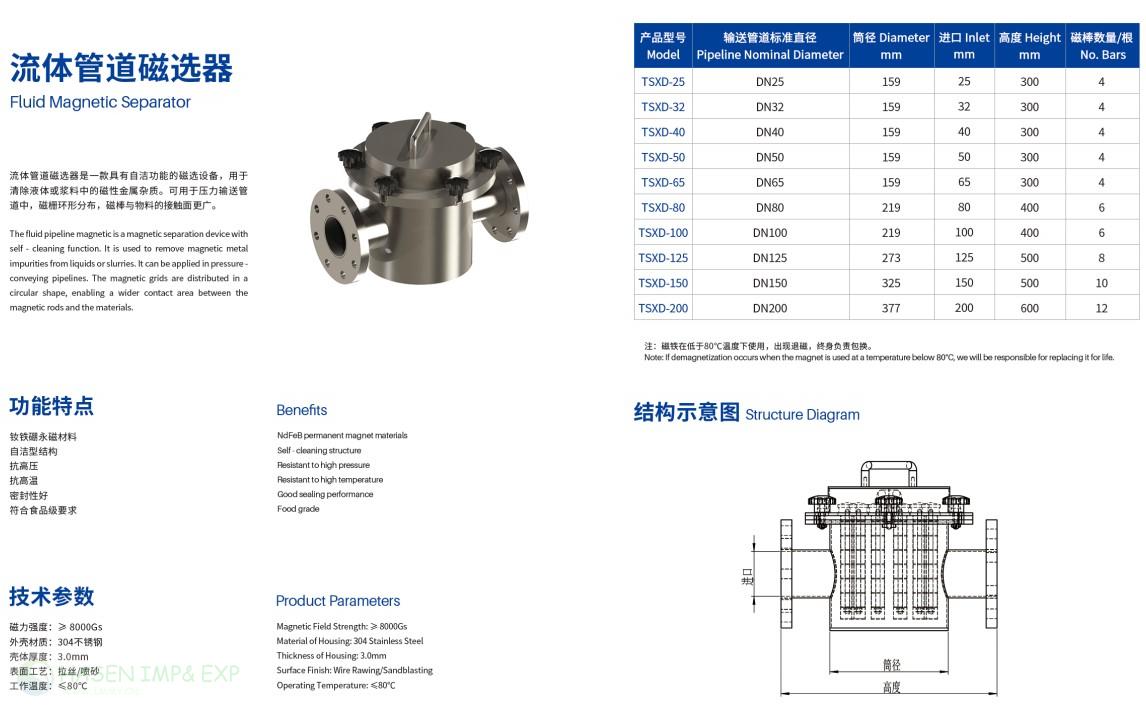
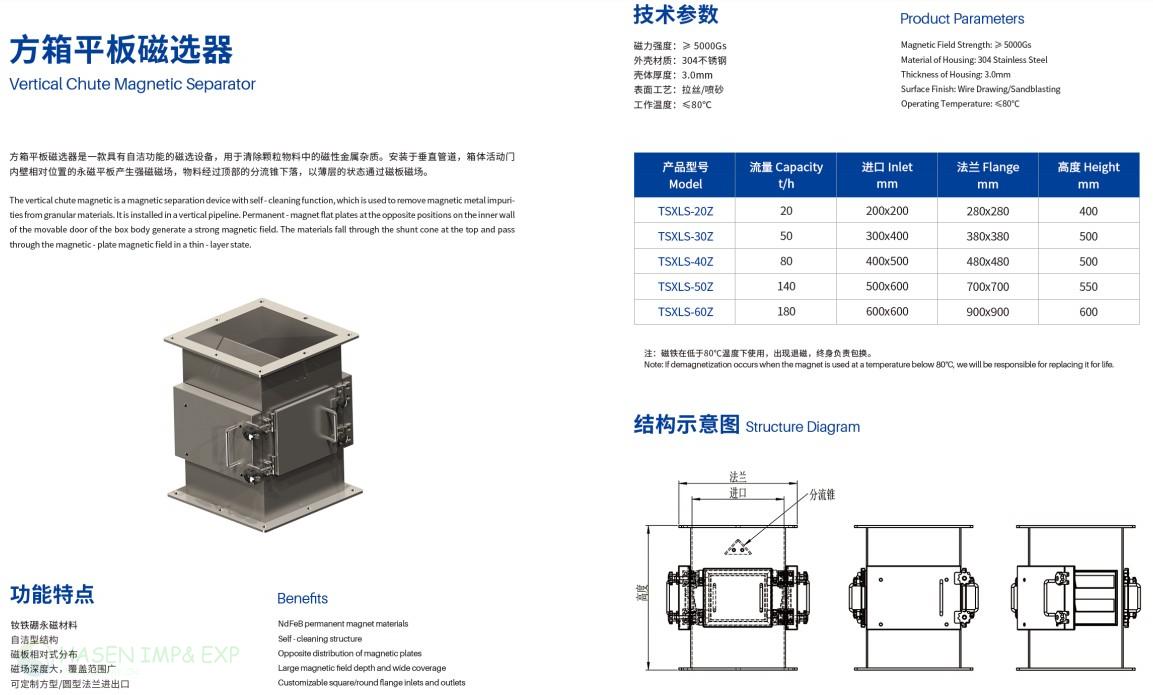
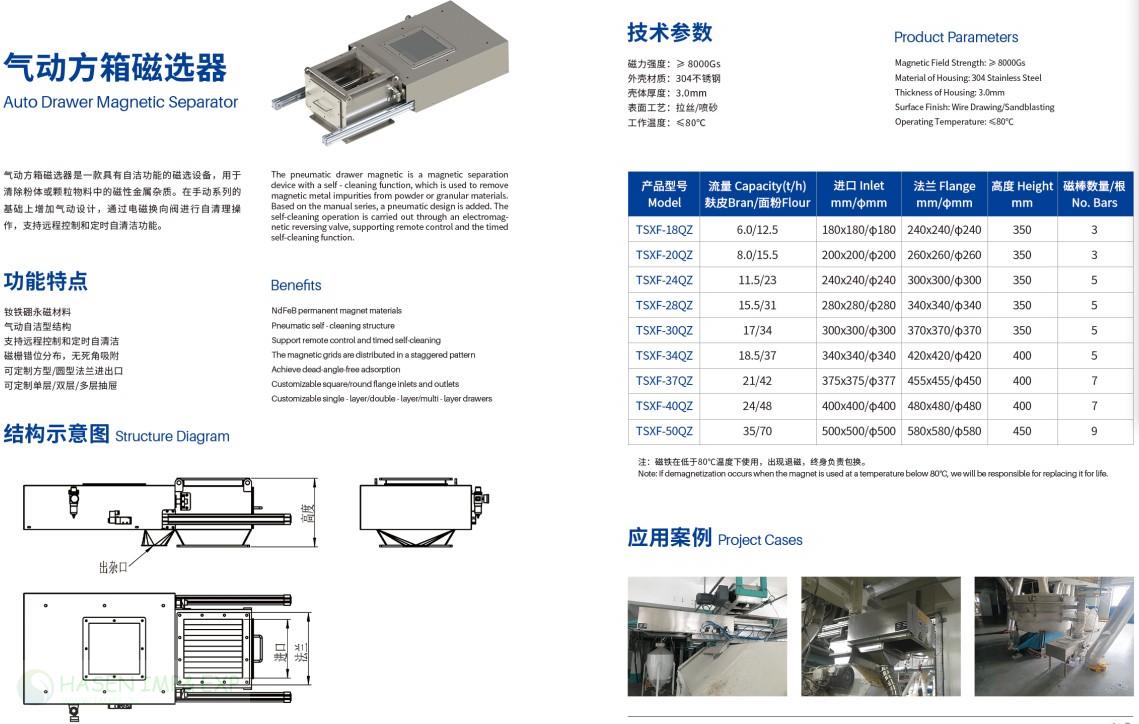
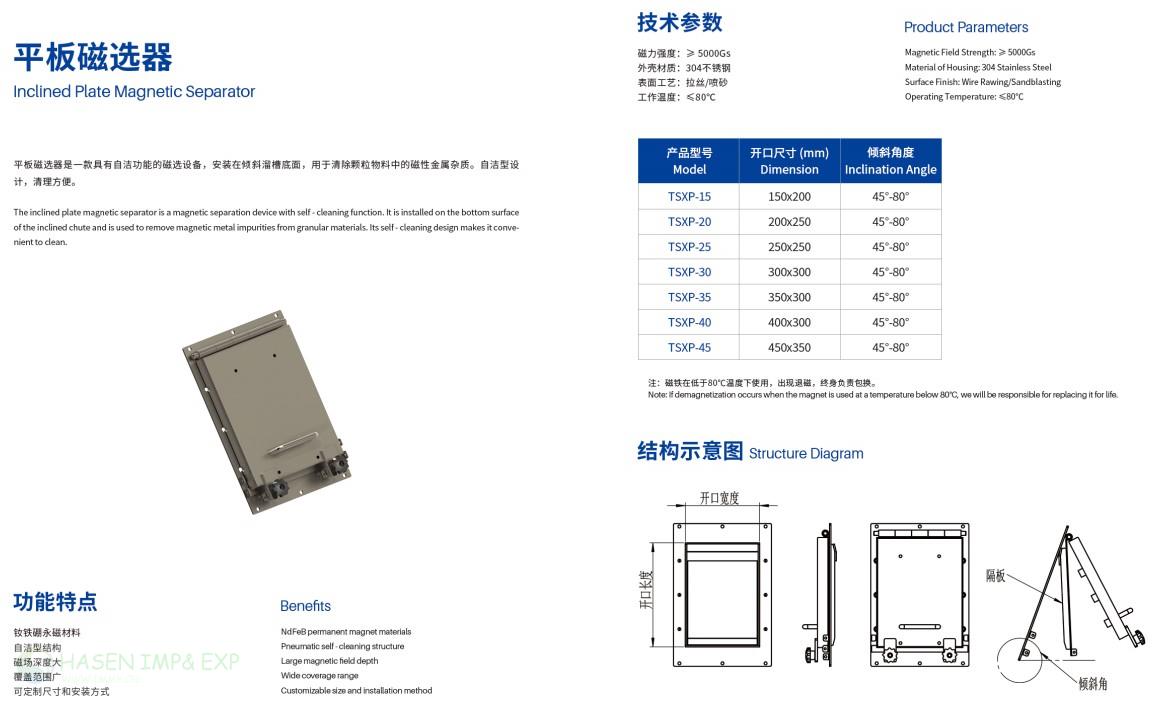
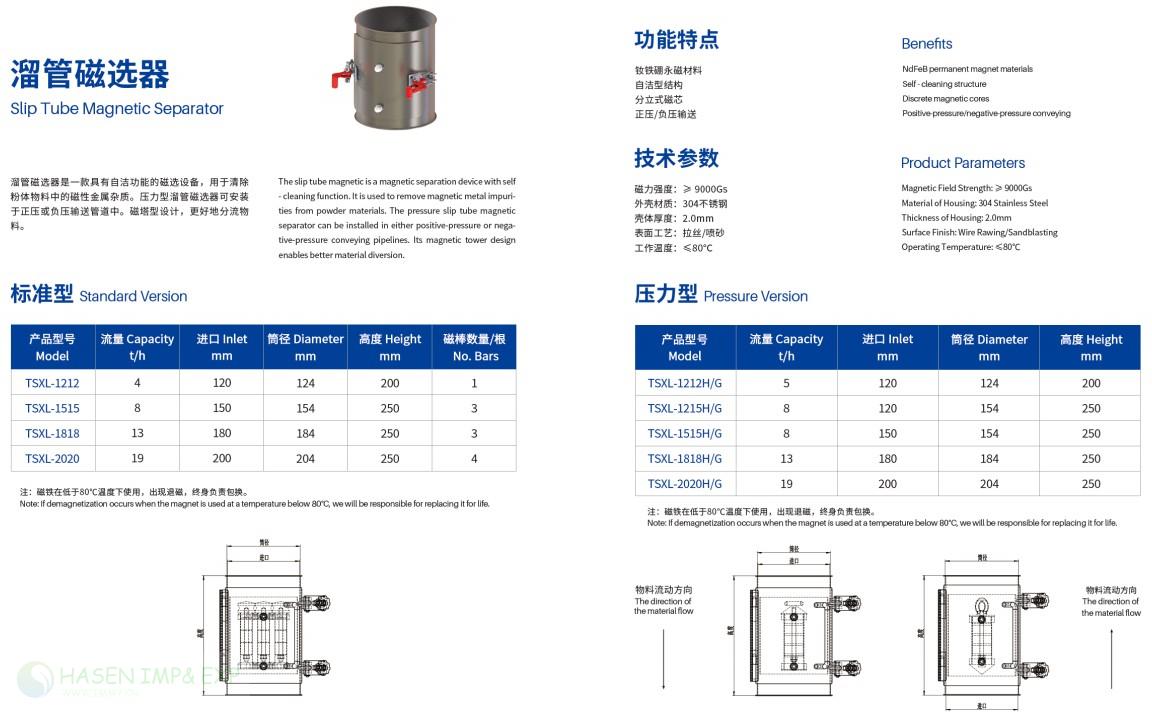
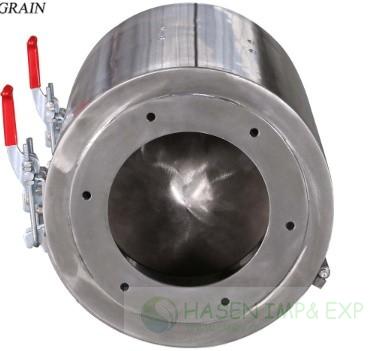
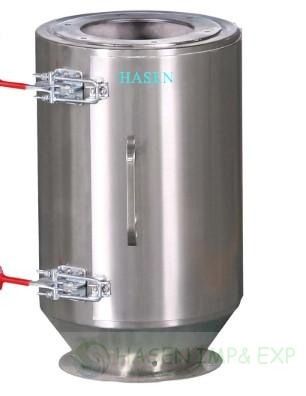
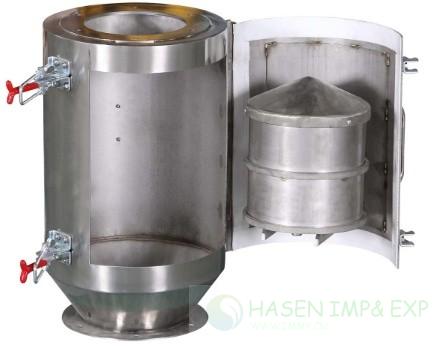
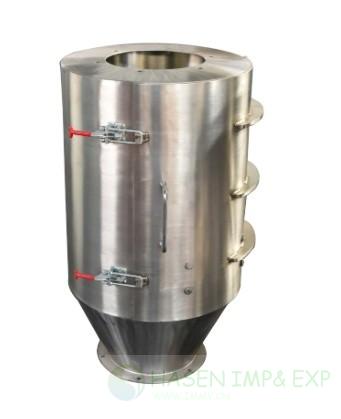
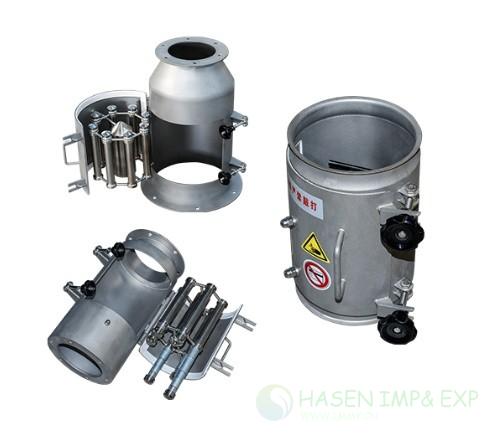
Magnetic Separator Separating magnetic metal inclusions in raw materials, iron removal in feed,grain,oil processing plants. www.immyhitech.com
Frequently Asked Questions (FAQ): Magnetic Separator Separating Magnetic Metal Inclusions in Raw Materials, Iron Removal in Feed, Grain, Oil Processing Plants
1. What is a magnetic separator?
A magnetic separator is an industrial device designed to separate ferrous and magnetic metal contaminants from bulk materials. It works by generating a magnetic field that attracts iron particles, steel fragments, and other magnetic inclusions, removing them from raw materials during processing. Magnetic separators are essential in industries where product purity, equipment protection, and safety are critical, such as feed, grain, and oil processing plants.
2. Why is magnetic separation important in raw material processing?
Magnetic metal inclusions are commonly introduced into raw materials during harvesting, transportation, storage, or mechanical processing. These contaminants can damage downstream equipment, reduce product quality, and pose serious safety risks. Magnetic separator systems ensure effective iron removal, protecting machinery such as crushers, extruders, mills, and presses, while also maintaining consistent product standards.
3. What types of magnetic metal inclusions can be removed?
Magnetic separators can remove a wide range of contaminants, including:
Iron filings and dust
Steel fragments and bolts
Nails, screws, and metal shavings
Tramp iron from agricultural or industrial sources
Advanced high-intensity magnetic separators can also capture weakly magnetic particles, ensuring thorough separation even in fine or powdery materials.
4. How does a magnetic separator work?
A magnetic separator works by exposing material flow to a controlled magnetic field. When raw materials pass through or over the magnetic system, ferrous contaminants are attracted and held by the magnet, while non-magnetic material continues along the processing line. Depending on the design, the captured metal can be removed manually or automatically, ensuring continuous operation with minimal downtime.
5. What types of magnetic separators are used in feed processing plants?
Feed processing plants commonly use several types of magnetic separators, including:
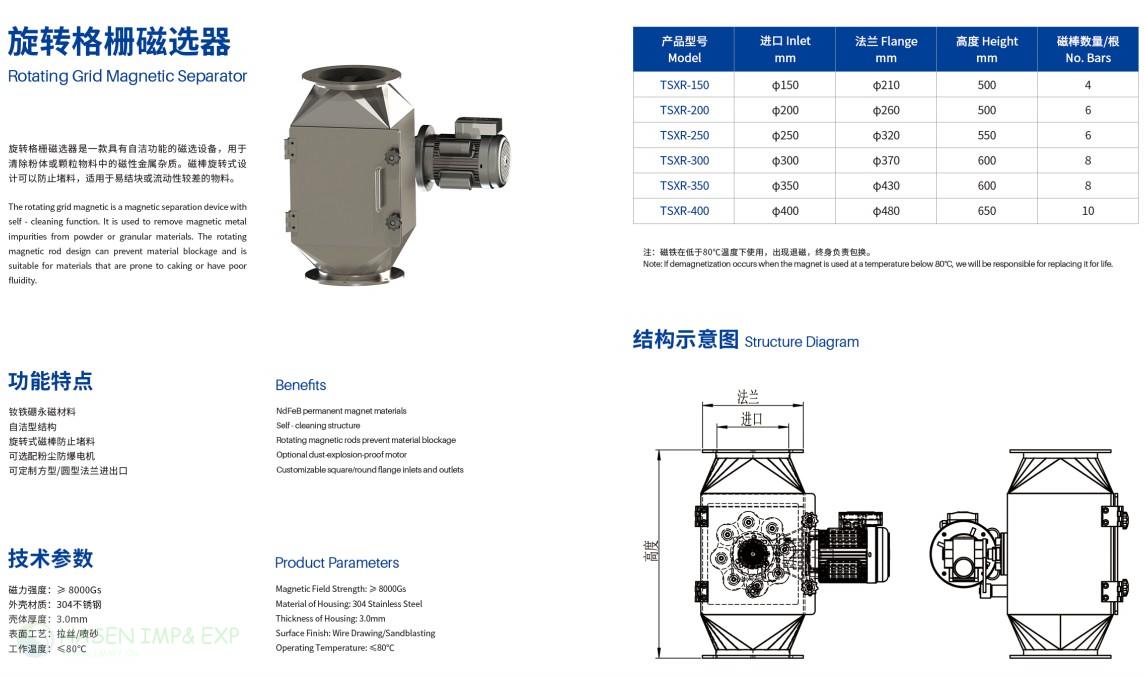
Magnetic grate separators for bins and hoppers
Plate magnets for conveyor belts
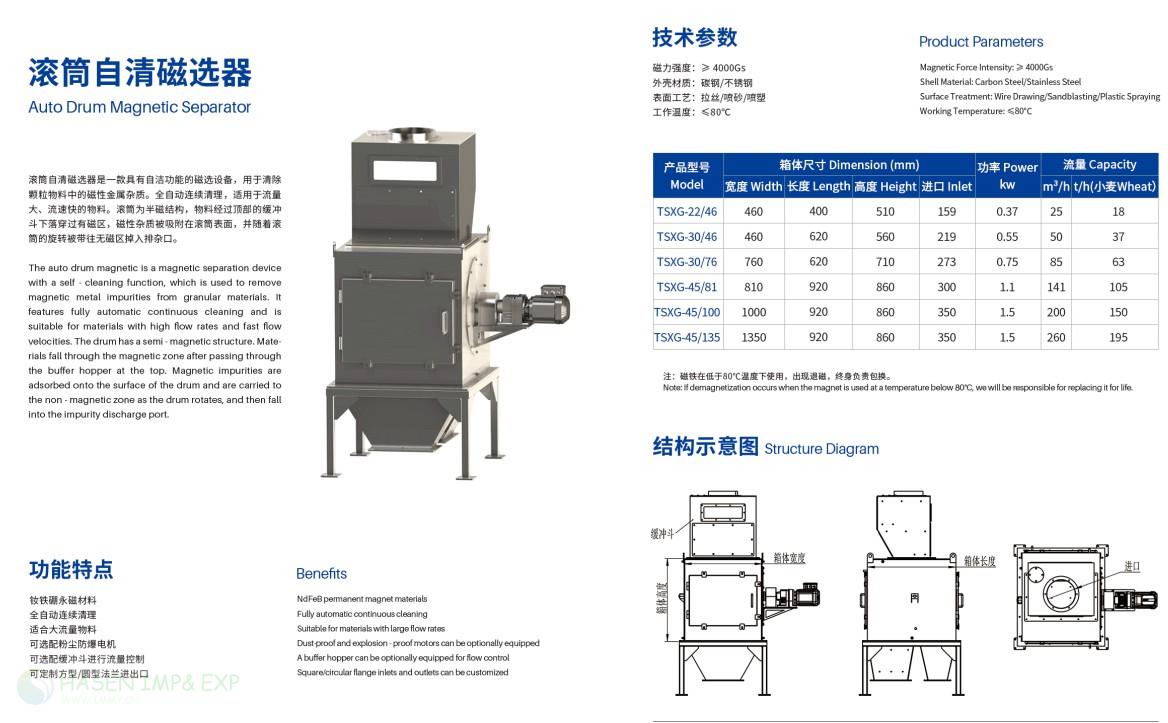
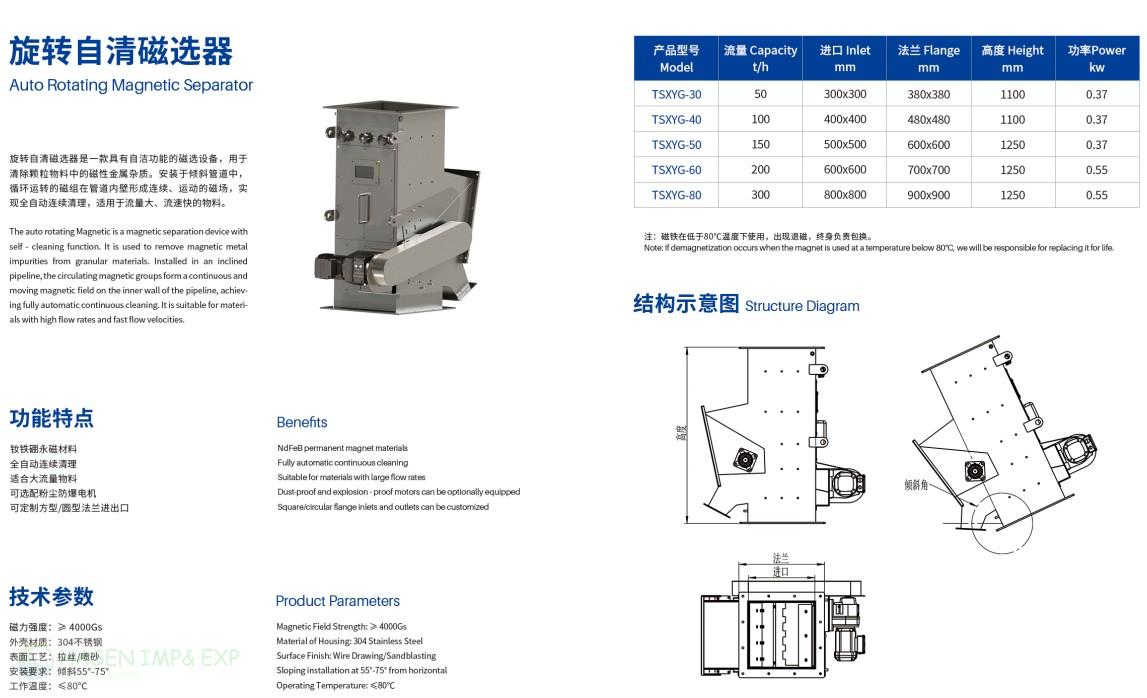
Drum magnetic separators for high-volume material flow
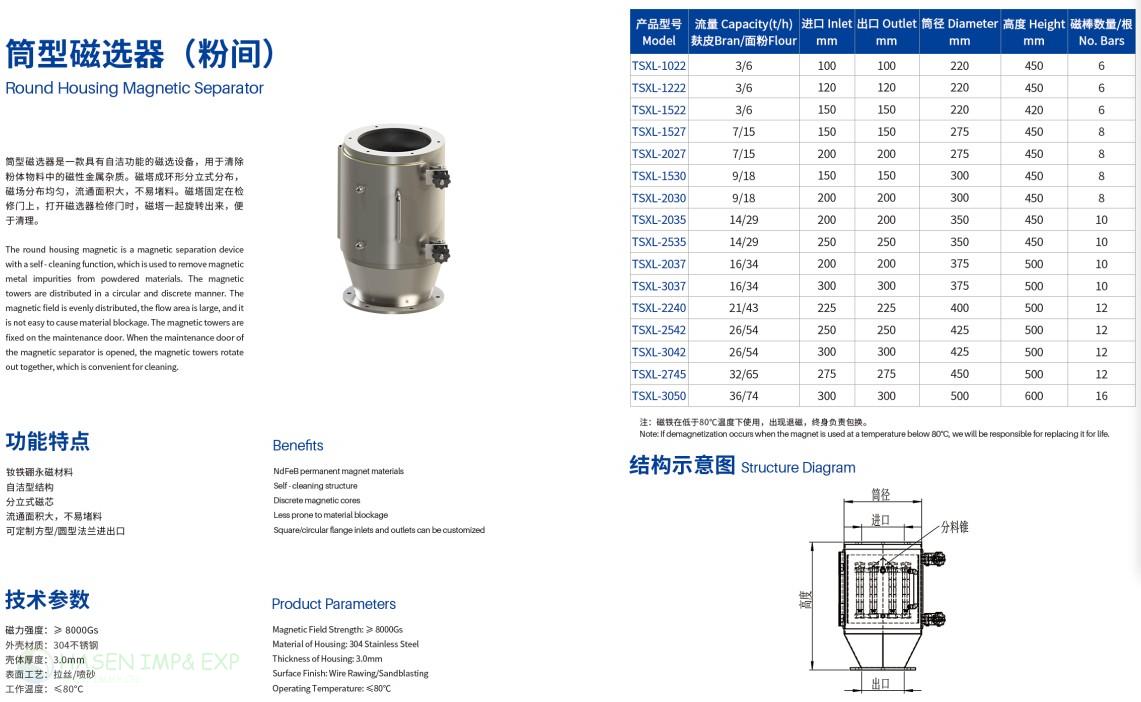
Pneumatic line magnetic separators for powdered feed
These systems help ensure iron removal in feed, preventing contamination that could harm livestock or damage pellet mills.
6. How are magnetic separators applied in grain processing plants?
In grain processing plants, magnetic separators are used to remove iron impurities from wheat, corn, rice, barley, and other grains. During cleaning, conveying, and milling stages, tramp metal may be present due to harvesting machinery or storage silos. Magnetic separation improves food safety, protects grinding equipment, and helps comply with food quality regulations.
7. Why is iron removal critical in oil processing plants?
Oil processing plants, including edible oil and industrial oil production, rely heavily on magnetic separators to remove iron particles from oilseeds, flakes, and meal. Metal contaminants can damage presses, expellers, and filtration systems. Efficient iron removal improves oil purity, extends equipment life, and reduces maintenance costs, ensuring stable and hygienic production.
8. What are the benefits of using magnetic separators in industrial plants?
The main benefits include:
Improved product purity and quality
Protection of downstream equipment
Reduced equipment downtime and repair costs
Enhanced safety for workers and end users
Compliance with food and feed industry standards
Magnetic separator systems are a cost-effective solution with long service life and minimal operating costs.
9. How do I choose the right magnetic separator for my application?
Selecting the right magnetic separator depends on several factors:
Type and size of raw material
Material flow rate and processing method
Level and type of magnetic contamination
Installation position (conveyor, hopper, pipeline)
Cleaning method (manual or automatic)
Professional suppliers can customize solutions to match specific feed, grain, or oil processing requirements.
10. Are magnetic separators suitable for continuous production lines?
Yes. Many modern magnetic separators are designed for continuous operation, especially in large-scale industrial plants. Automatic cleaning magnetic separators allow uninterrupted material flow while removing captured metal contaminants, making them ideal for high-capacity feed mills, grain silos, and oil extraction plants.
11. How often should magnetic separators be cleaned or maintained?
Maintenance frequency depends on contamination levels and operating conditions. In high-risk environments, daily inspection may be required. Automatic self-cleaning magnetic separators significantly reduce manual maintenance. Regular inspection ensures optimal magnetic strength and consistent separation performance.
12. Can magnetic separators help meet food and feed safety regulations?
Absolutely. Magnetic separators play a crucial role in meeting food safety and feed quality standards by preventing metal contamination. Their use supports compliance with HACCP, GMP, and other international quality control systems, protecting both consumers and producers.
13. What is the lifespan of an industrial magnetic separator?
High-quality magnetic separators are built with durable materials and powerful permanent magnets, offering a long operational lifespan—often exceeding 10 years with proper maintenance. They provide excellent return on investment due to low energy consumption and minimal wear.
14. Are custom magnetic separator solutions available?
Yes. Many manufacturers provide customized magnetic separator solutions tailored to specific plant layouts, material characteristics, and production capacities. Custom designs ensure maximum efficiency in separating magnetic metal inclusions in raw materials across diverse industrial applications.
15. Why choose a professional magnetic separator manufacturer?
A professional manufacturer offers:
Reliable magnetic performance
Industry-specific design expertise
Customization options
After-sales technical support
Compliance with international standards
Choosing an experienced supplier ensures long-term performance and operational reliability.



 Call us:
 Wuxi Hasen sales